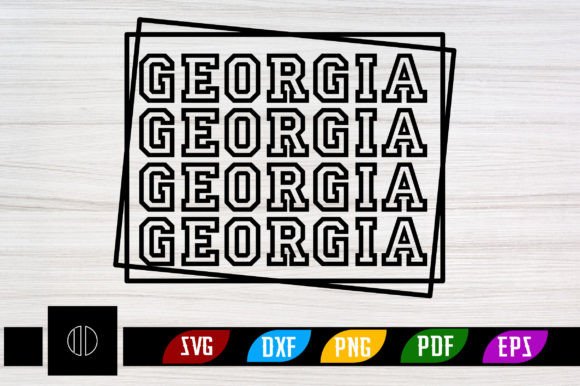
Georgia Retro Svg Design Review
As a designer who spends more time troubleshooting stitch errors than admiring finished products, I approach every new file with a healthy dose of skepticism. The digital embroidery market is flooded with generic clipart that looks fine on screen but falls apart under the needle. That is why I always test designs in real-world scenarios before recommending them to my network of crafters and small business owners. Today, I am putting Georgia Retro Svg Design through its paces to see if it holds up in actual production.
This isn’t just about whether the lines connect; it’s about whether the design conveys the right mood, fits within standard hoop limitations, and delivers enough visual impact to justify the labor cost. If you are an Etsy seller, a boutique owner, or a hobbyist looking to elevate your handmade goods, this review will help you decide if this specific embroidery file deserves a spot in your library.
First Impressions: Mood and Visual Personality
The moment I opened the preview for Georgia Retro Svg Design, the aesthetic was immediately clear. It leans heavily into vintage Americana, evoking the warmth of southern hospitality mixed with mid-century graphic simplicity. For designers targeting the "cottagecore" or rustic chic markets, this vibe is incredibly potent. It doesn’t scream for attention with chaotic patterns; instead, it offers a calm, nostalgic confidence that resonates well with buyers looking for timeless pieces rather than trendy fads.
From a layout perspective, the design feels balanced. It has a natural focal point that works beautifully centered on garments like sweatshirts or tote bags. The shapes are distinct, which is crucial for embroidery because vague outlines often get lost in the thread. This design has enough definition to stand out even when stitched in monochrome, suggesting strong versatility for different color palettes.
Real-World Application: Where This Design Shines
I tested the conceptual application of Georgia Retro Svg Design across several common product categories to gauge its practical value. Here is where it truly excels:
- Custom Apparel and Sweatshirt Embroidery: This design translates exceptionally well to heavyweight cotton blends. The retro theme pairs perfectly with heather grey, navy, or cream crewnecks. When placed on the chest of a sweatshirt, it creates an instant sense of brand identity for small fashion labels.
- Tote Bag Design and Canvas Projects: Natural jute or canvas tote bags benefit from the earthy tones this design suggests. Because the lines are relatively clean, they maintain clarity even on textured fabrics. It adds a touch of sophistication to what could otherwise be a plain utility bag.
- Baby Embroidery and Nursery Decor: Despite the "retro" label, the softness of the shapes makes it suitable for baby onesies or nursery wall art. It avoids being too masculine or overly aggressive, striking a neutral yet charming balance that parents appreciate for personalized gifts.
- Embroidered Patches and Aprons: For kitchen towels or chef aprons, this design offers a professional yet welcoming look. It works as a branded logo for a home baker or a decorative accent on a linen apron, elevating the perceived value of the finished product.
For Etsy sellers and craft business owners, these applications represent high-demand niches. The design’s versatility allows you to market it across multiple product lines without needing entirely new artwork for each category.
Technical Considerations and Stitch Clarity
While the aesthetic is strong, the true test lies in the execution. When evaluating any machine embroidery design, we must look at how the stitches interact with the fabric. Georgia Retro Svg Design appears to rely on a mix of fill stitches and satin borders, which generally provides good coverage. However, the success of this project hinges on proper setup.
One critical factor is stitch density. If the design is too dense, it can pucker lightweight fabrics. Conversely, if it is too sparse, the fabric texture may show through, ruining the crispness of the retro lines. I recommend checking the underlying digitization to ensure the fill stitch areas are not over-saturated. A balanced density ensures the final piece feels substantial but remains comfortable to wear.
Another technical aspect is the use of satin stitch for outlines. Satin stitches provide a polished edge, which is essential for maintaining the clean geometry of a retro design. If the underlay is insufficient, the satin edges might shift or become jagged. Always inspect the smaller details in the design to ensure they won’t merge together during stitching.
When to Use Caution
Not every surface is created equal. There are specific scenarios where Georgia Retro Svg Design might require adjustments or should be avoided:
- Small Hoop Sizes: If you are working with very small hoops (under 4x4 inches), intricate details may become indistinguishable. Test the scaling carefully to ensure the main elements remain legible.
- Textured or Stretchy Fabrics: While it works well on canvas, highly textured bouclé wool or thin, stretchy synthetics can distort the design. For stretchy materials, a heavy-duty stabilizer is non-negotiable to prevent shifting.
- Dense Stitch Areas: Avoid placing the design over seams, pockets, or existing logos where the fabric is already thick. Excessive layers can damage the needle or cause the machine to jam.
- Curved Surfaces: While it can work on caps, applying this design to a curved brim requires advanced hooping techniques. For beginners, flat surfaces like tote bags or shirts are safer bets.
Impact on Brand and Customer Perception
In the world of handmade goods, presentation is everything. A well-executed embroidery project signals quality and care. Using Georgia Retro Svg Design allows you to tap into the emotional connection customers have with nostalgia. It feels personal, thoughtful, and curated.
For commercial embroidery projects, consistency is key. This design’s clean lines make it easy to reproduce across different items, ensuring your brand looks cohesive whether a customer buys a pillow cover, a tea towel, or a hat. This consistency builds trust and encourages repeat purchases.
Furthermore, the design’s adaptability supports strong printable mockups. You can easily visualize how it looks in different thread colors, helping potential buyers imagine the final result. This visual clarity reduces hesitation and increases conversion rates for online shops.
Practical Designer Notes for Success
Before you commit to producing batches of handmade products using this file, follow these essential steps:
- Test on Scrap Fabric: Never skip this step. Stitch the design on the exact fabric you plan to sell. Check for puckering, thread breaks, and color accuracy.
- Review Thread Color Contrast: Ensure the chosen thread colors pop against the fabric. Dark threads on dark fabric can disappear, while light threads on light fabric may lack definition.
- Confirm Hoop Size: Verify that the design dimensions fit comfortably within your machine’s largest hoop size, leaving room for stabilization.
- Inspect Small Details: Zoom in on the digital file. Are there tiny elements that might get lost? If so, consider simplifying the design or adjusting the scale.
- Check Licensing: As a digital embroidery file, usage rights vary. Confirm whether you have commercial license rights to sell finished items made from this design. This protects your small shop product business from legal issues.
Final Verdict
Georgia Retro Svg Design is a solid addition to any designer’s toolkit. It balances aesthetic appeal with practical usability, making it suitable for a wide range of embroidery project types. From personalized gifts to custom apparel, it delivers a professional finish that customers appreciate. By paying attention to fabric choice, stabilization, and stitch settings, you can transform this simple file into a high-value product. For those looking to add a touch of vintage charm to their offerings, this design is a wise investment.