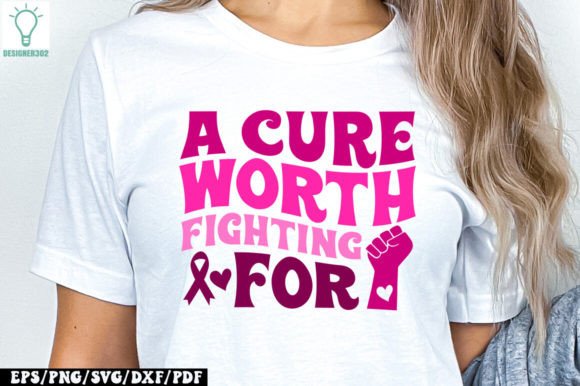
A Cure Worth Fighting for Retro SVG Review
When I sit down to evaluate a new design file, my first instinct is always practical: will this stitch well? Will it hold up on the customer’s chest? And most importantly, does it convey the right emotional weight without feeling cluttered? Recently, I pulled A Cure Worth Fighting for Retro SVG from the bundle into my workflow to see how it translates from a digital graphic to a tangible, embroidered reality. This isn’t just about aesthetics; it is about the intersection of sentiment, durability, and marketability.
The design carries a distinct retro vibe, which immediately signals a specific demographic. It feels nostalgic yet modern, tapping into that warm, vintage aesthetic that performs exceptionally well in the handmade space. For an embroidery designer, the challenge with retro styles is often balancing detail with legibility. If the design is too intricate, it becomes a muddy mess of thread when stitched at smaller sizes. If it is too simple, it loses its character. My initial assessment is that A Cure Worth Fighting for Retro SVG strikes a careful balance, offering enough visual personality to stand out on a shelf or in an Etsy listing while remaining clean enough for machine execution.
Real-World Application: The Tote Bag Scenario
To truly test a design, you have to imagine it on a finished product. Let’s look at a common use case: creating a custom embroidered tote bag for a local breast cancer awareness fundraiser or a boutique shop selling supportive merchandise. Tote bags are a staple for crafters and small business owners because they are high-value items that showcase embroidery beautifully.
I visualized placing A Cure Worth Fighting for Retro SVG on a heavy-duty canvas tote. The retro font and layout lend themselves perfectly to this medium. Unlike delicate lace or fine linens, canvas provides a sturdy background that can handle the weight of the stitching without distorting. The design’s bold lines would pop against natural beige or deep navy canvas. However, the placement matters. Centering the design might feel too generic. Placing it slightly off-center, perhaps near the top edge or angled subtly, could give it a more contemporary, curated feel that appeals to younger buyers who value uniqueness over traditional symmetry.
Another strong candidate for this design is the sweatshirt or hoodie. Breast cancer awareness gear is frequently worn as a statement piece during October campaigns or year-round by survivors and supporters. A retro-style design on a soft, heathered grey fleece creates a cozy, approachable look. It doesn’t scream for attention but whispers support, which many customers prefer. The key here is thread selection. A muted pink or dusty rose thread against a neutral fabric will enhance the retro mood far better than a neon bright, which can clash with the vintage aesthetic.
Performance on Different Fabrics and Garments
While the design shines on flat surfaces like tote bags and aprons, we need to consider how it behaves on curved or textured materials. Embroidery designers know that caps and hats present unique challenges due to their curvature and the potential for fabric shifting under the hoop. A Cure Worth Fighting for Retro SVG works well on structured baseball caps, provided the hoop size is large enough to accommodate the curve without distorting the central motif. On stretchy knit fabrics, such as t-shirts or baby onesies, extra care must be taken with stabilizers. A tear-away stabilizer might leave residue, while a cut-away would provide the necessary permanence for garments that will undergo frequent washing.
For baby items, the design takes on a different tone. Personalized gifts for newborns, especially those born to families affected by health struggles, carry immense sentimental value. The retro style softens the message, making it suitable for nursery decor or a keepsake blanket. However, on thin baby fabrics, the stitch density becomes critical. If the design includes large fill areas, it may become stiff and uncomfortable against sensitive skin. In such cases, reviewing the stitch type is essential. A combination of satin stitches for outlines and lighter fill stitches can maintain the design’s integrity while ensuring comfort.
Technical Considerations for the Designer
Before committing to production, there are several technical steps every designer should take. First, always test the design on scrap fabric that matches the final product’s texture and weight. This reveals how the threads interact with the material—does the fabric pucker? Do the colors blend in an unintended way? For A Cure Worth Fighting for Retro SVG, checking the contrast between the thread and the fabric is vital. Retro designs often rely on subtle color palettes; if the contrast is too low, the details will disappear after stitching.
Inspecting small details is another non-negotiable step. Zoom in on the digital file before sending it to the machine. Are there tiny decorative elements that might get lost in the stitching process? If the design includes lettering, ensure that the spacing allows for clear readability. Dense stitch areas can sometimes cause thread breaks or tension issues, particularly on older machines or with lower-quality threads. Using a proper stabilizer is crucial to prevent distortion, especially for larger projects like pillow covers or wall hangings.
Additionally, consider the licensing terms. As a designer, your reputation depends on using assets legally. While the bundle includes various formats like SVG, DXF, PNG, EPS, and PDF, confirming whether the license permits commercial use for physical goods is essential. Some digital products restrict resale, so verify these details before listing A Cure Worth Fighting for Retro SVG on platforms like Etsy or Amazon Handmade. Digital product sellers should also check if the license allows for the creation of printable mockups or design assets for other creators.
Visual Appeal and Brand Consistency
From a branding perspective, A Cure Worth Fighting for Retro SVG offers versatility. It fits seamlessly into a boutique brand that emphasizes nostalgia, community, and heartfelt messaging. The design’s personality is warm and inviting, which helps build trust with customers. When buyers see a cohesive collection of products—such as matching aprons, tote bags, and caps—they perceive the brand as professional and reliable. This consistency enhances the perceived value of the handmade product, allowing you to price items appropriately based on quality rather than competing solely on cost.
The design also lends itself well to holiday gifting and special occasions. Whether it is a Christmas gift for a grandmother who has been a survivor or a wedding favor for a bridal party supporting a loved one, the retro aesthetic adds a timeless touch. It avoids fleeting trends, ensuring that the finished product remains relevant and cherished for years. For craft fair vendors, having a variety of products featuring this design can attract different segments of shoppers, from those looking for personal gifts to those seeking supportive merchandise for their own businesses.
Final Verdict
In conclusion, A Cure Worth Fighting for Retro SVG is a thoughtful addition to any embroidery designer’s library. It balances artistic appeal with practical functionality, making it suitable for a wide range of applications from custom apparel to home decor. By paying attention to fabric choice, stitch density, and licensing, you can maximize its potential and create finished products that resonate emotionally with customers. Whether you are an Etsy seller looking to expand your catalog or a hobbyist wanting to create meaningful gifts, this design offers a reliable foundation for success. Just remember to test thoroughly, choose your threads wisely, and let the design’s retro charm speak for itself.