Farmer Things Retro SVG: A Designer’s Review
When I first opened the Farmer Things Retro SVG file, my immediate reaction was a mix of nostalgia and practical curiosity. As an embroidery designer who spends hours evaluating how digital vectors translate into physical stitches, I don’t just look at the shape; I look at the potential for texture, the viability of production, and the emotional connection it creates with the end user. This isn’t just another clipart download; it is a design asset that speaks directly to a specific demographic—the modern homesteader, the rural aesthetic enthusiast, and the lover of vintage-inspired handmade products.
The retro vibe is distinct. It carries that warm, slightly worn-out feeling that resonates deeply in today’s craft market. But does it work when converted from a cutting file into a stitched reality? Let’s break down how this design performs in real-world scenarios, from personal gifts to commercial Etsy listings.
First Impressions and Visual Personality
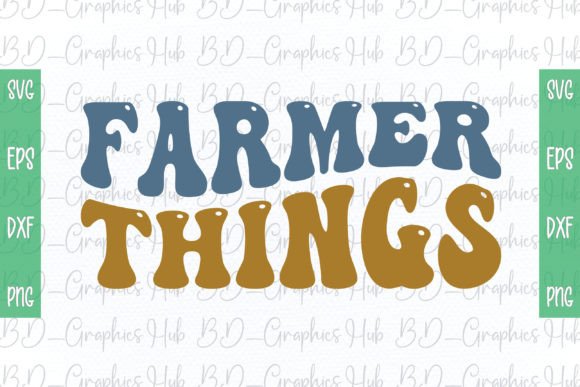
The visual personality of the Farmer Things Retro SVG is bold yet approachable. The typography and accompanying graphics suggest a relaxed, confident attitude. In the world of embroidery, type-heavy designs can be risky because thin lines often get lost or pucker if the stitch density isn’t managed correctly. However, the retro styling here typically relies on thicker strokes and clear negative space, which is a huge plus for stability.
From a mood perspective, it evokes comfort and authenticity. It doesn’t feel corporate or sterile. For a small business owner, this distinction is vital. Customers buying custom apparel or personalized gifts are often looking for items that feel curated and heartfelt. This design naturally fits into that narrative. It feels like something you would find on a well-loved apron in a farmhouse kitchen or a patch on a denim jacket at a local farmers market.
Real-World Application: From Screen to Stitch
I recently considered using this design for a batch of custom embroidered tote bags intended as holiday gifts for local gardening clubs. Here is how the Farmer Things Retro SVG translated during that thought process:
- Tote Bag Embroidery: Canvas is a forgiving fabric, but it can be thick. The design’s clean lines would hold up well against the heavy weave of the bag. Using a contrasting thread color—perhaps cream or mustard yellow on a navy bag—would make the retro elements pop without overwhelming the structure of the bag.
- Sweatshirt Embroidery: Fleece backs can cause puckering if the stabilizer isn’t chosen correctly. Because this design has a strong graphic presence, it works beautifully on chest placements or left pockets. It adds a touch of personality to basic blanks, elevating them from generic merchandise to a boutique small shop product.
- Baby Embroidery: There is a surprising versatility here. When scaled down appropriately, the retro theme works wonderfully on burp cloths or baby onesies. The "farmer" motif connects with parents who value nature and simplicity. It serves as a unique alternative to standard floral or animal motifs.
This flexibility makes the Farmer Things Retro SVG a valuable addition to any digital embroidery file library. Whether you are creating commercial embroidery pieces for clients or crafting one-of-a-kind items for friends, the design adapts to various scales and contexts effectively.
Technical Considerations for Embroidery Designers
While the concept is strong, execution is everything. Before committing this design to a final finished product, there are several technical factors to evaluate. This is where many designers stumble, turning a great idea into a frustrating production experience.
Stitch Density and Clarity
Retro fonts often rely on solid fills. You must check the stitch density in your digitizing software. If the fill is too dense, the fabric will pucker excessively, especially on lighter materials like cotton tea towels or delicate linen napkins. Conversely, if the design includes thin decorative accents, ensure they are anchored properly. A satin stitch outline around text can improve durability and give a polished, professional finish that prevents fraying on edges.
Fabric Texture and Contrast
The success of this design hinges heavily on thread colors and fabric texture. On a textured fabric like bouclé or heavy wool, fine details might disappear. It is best suited for smoother fabrics where the stitch definition remains sharp. Always test your color palette against the actual fabric swatch. A light gray thread on a white shirt will vanish, whereas a charcoal thread will provide the necessary contrast to maintain the design’s integrity.
Hoop Size and Stabilization
Confirm the hoop size requirements before starting. Large designs require larger hoops, which can limit placement options on garments like caps or curved surfaces. Furthermore, always use the appropriate stabilizer. For stretchy fabrics like jersey knits used in t-shirts, a cut-away stabilizer is non-negotiable to prevent distortion over time. For woven fabrics, a tear-away might suffice, but a wash-away offers the cleanest finish for visible areas.
Where to Use Carefully
Not every application is suitable for this design. Be cautious when placing it on:
- Small Hoop Sizes: If the design contains intricate lettering or tiny graphical elements, shrinking it down may render those details illegible after stitching.
- Dense Stitch Areas: Avoid overlapping this design with other heavy fills. Too much thread weight in one spot can cause needle breaks or fabric damage.
- Stretchy or Thin Fabrics: Without proper stabilization, the tension required for a crisp retro look might distort thin materials like silk or lightweight rayon.
- Curved Surfaces: While possible on caps, flat designs often need digitizing adjustments (like contouring) to sit naturally on a curved brim. A raw vector file won’t automatically account for this curvature.
Impact on Brand and Customer Trust
For Etsy sellers and craft business owners, the quality of your embroidery directly impacts customer trust. A sloppy stitch job on a trendy design can hurt your reputation more than a mediocre design on perfect stitches. The Farmer Things Retro SVG offers a high ceiling for professionalism because its bold nature masks minor imperfections better than delicate script fonts do.
When customers receive a personalized gift or a custom apparel item featuring this design, they perceive value in the aesthetic. The retro trend is evergreen, meaning your printable mockups and finished goods remain relevant longer. It helps establish a brand consistency that feels both modern and timeless. Buyers engage more with designs that tell a story, and this one clearly communicates a love for rural life and simple pleasures.
Final Verdict and Practical Notes
The Farmer Things Retro SVG is a versatile, emotionally resonant design that bridges the gap between digital art and tactile craft. It is ideal for embroidered patches, tote bag designs, and home decor items like pillow covers or kitchen towels.
Before purchasing or using this file, remember these essential steps:
- Test First: Always run a test stitch on scrap fabric to check thread tension and color contrast.
- Check Licensing: Ensure you understand the terms regarding commercial embroidery rights. Some files allow unlimited sales of finished goods, while others restrict digital redistribution.
- Inspect Details: Zoom in on the original vector to see if any corners are overly sharp or thin, which might require simplification before digitizing.
- Black and White Mockup: View the design in grayscale to ensure the layout balances well without relying solely on color for impact.
If you are a creative entrepreneur looking to add depth to your graphics and crafts offerings, this design provides a solid foundation. It is not just a picture; it is a prompt for creativity, inviting you to explore different textures, threads, and applications. By approaching it with the technical diligence outlined above, you can transform a simple SVG into a cherished embroidery project that stands out in a crowded marketplace.