Feelin Festive Retro Svg Design Review
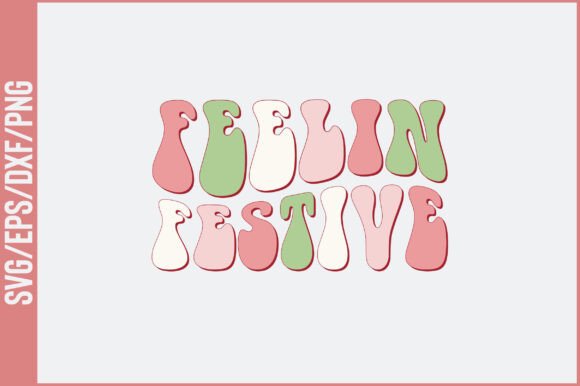
As a designer who spends half the day digitizing and the other half troubleshooting stitch errors, I approach every new file with a mix of optimism and skepticism. When Feelin Festive Retro Svg Design landed in my inbox, I didn’t just look at the preview image; I immediately started visualizing how it would translate from a vector screen into physical thread on fabric. The market is saturated with holiday graphics, so for a design to earn its place in my workflow, it needs more than just a catchy title—it needs structural integrity, clear stitching logic, and that intangible "handmade" charm that customers are willing to pay a premium for.
First Impressions: Mood and Visual Personality
The moment you open the file, the retro aesthetic is unmistakable. It doesn’t scream for attention with neon overload; instead, it whispers with a nostalgic warmth that feels perfectly suited for the current trend toward cozy, vintage-inspired home goods. The typography has that distinct mid-century curve to it, which suggests movement without feeling chaotic. For an embroidery project, this is crucial. A design that looks good on a flat PDF often falls apart when converted into stitches because the letterforms become too thin or the spacing becomes uneven.
What stands out here is the balance between detail and simplicity. In the world of machine embroidery design, less is often more, but only if the remaining elements are strong enough to carry the weight. This embroidery file manages to feel substantial without being cluttered. It evokes a specific mood—think warm cocoa, crackling fires, and relaxed gatherings. That emotional resonance is what turns a simple stitched logo into a personalized gift that people actually keep on their shelves rather than tossing in a drawer.
Real-World Application: From Screen to Stitch
I recently had a client request a batch of custom holiday aprons for a local bakery’s seasonal promotion. They wanted something festive but not cliché. I pulled Feelin Festive Retro Svg Design onto my screen and began mocking it up on different garment types. Here is how I see it performing in actual production scenarios:
- Custom Apparel and Sweatshirts: The design’s bold lines hold up well on heavyweight cotton blends. On a sweatshirt, the retro font pops against heather grey or cream fabrics. However, you must be mindful of the stitch density. If the fill areas are too dense, the fabric can pucker, ruining the drape of the garment. I recommend using a cut-away stabilizer for knits to ensure the finished product retains its shape after washing.
- Tote Bag Designs: Canvas is a forgiving fabric, making this a great candidate for tote bag design projects. The contrast between the natural canvas texture and the smooth satin stitch edges creates a sophisticated look. It works beautifully as a standalone chest placement or repeated along the side seams for a patterned effect.
- Baby Embroidery: There is a softness to the curves that makes this suitable for baby items, provided the details aren’t overly intricate. For onesies or bibs, simpler is safer. The retro vibe adds a trendy touch to nursery decor or baby shower favors, appealing to modern parents who appreciate aesthetics over loud cartoon characters.
- Holiday Embroidery and Kitchen Towels: Tea towels are a staple for craft fairs and Etsy sellers. This design fits perfectly on linen or cotton damask. The retro theme aligns with the "farmhouse chic" aesthetic that remains popular in home decor. Just ensure your thread colors complement the towel’s weave so the design doesn’t get lost in the texture.
Strategic Considerations for Small Business Owners
For Etsy sellers and small shop product creators, the versatility of this design is its greatest asset. It isn’t limited to one niche. You can use it for commercial embroidery projects ranging from corporate holiday gifts to boutique branding. The fact that it comes in multiple formats, including SVG and DXF, means you aren’t locked into a single machine type. You can adapt the design assets for vinyl cutting, sublimation, or digital printing, maximizing the return on your initial purchase.
When creating printable mockups for your listings, remember that lighting plays a huge role. A retro design relies heavily on color harmony. Test your embroidery project by converting the file to black and white in your software. If the shapes still read clearly without color, the underlying structure is solid. This is a quick way to check for potential issues with negative space before you commit to threading your machine.
Where Caution Is Required
No design is perfect for every situation. While Feelin Festive Retro Svg Design is robust, there are specific contexts where it might struggle:
- Small Hoop Sizes: If you attempt to stitch this in a hoop smaller than 4x4 inches, fine details may merge together. The text could become illegible, and small graphical accents might turn into blobs. Always verify the hoop size requirements before listing the item as suitable for tiny accessories like hair clips or small patches.
- Textured and Stretchy Fabrics: Avoid placing this on highly textured fabrics like chunky knit sweaters or loose-weave burlap unless you are using a heavy-duty stabilizer. The irregular surface can cause the satin stitch to break or skip. Similarly, on stretchy jersey knits, the tension must be carefully adjusted to prevent distortion.
- Dense Stitch Areas: If the design includes large blocks of fill stitch, be aware that thick layers of thread can add bulk. On curved surfaces like caps or sleeves, this bulk can make the embroidery uncomfortable or visually unbalanced. Inspect the stitch density map if available, or test on scrap fabric first.
- Frequent Washing: For items that will undergo frequent laundering, such as work aprons or children’s clothing, ensure you are using high-quality polyester or rayon threads. Cotton thread, while beautiful, may fade or fray faster, diminishing the professional look of the finished product.
Practical Designer Notes for Success
Before you rush to produce a batch of custom apparel, take these steps to ensure quality:
- Test on Scrap Fabric: Never trust a preview. Stitch the design on the exact fabric you plan to sell. Check how the fabric texture interacts with the thread sheen.
- Check Thread Color Contrast: Ensure the chosen thread colors provide enough contrast against the background fabric. Low contrast can make the retro elements look muddy.
- Review Stabilizer Choice: Use the correct stabilizer for your fabric type. Tear-away for wovens, cut-away for knits, and hooping film for delicate items.
- Confirm Licensing: As a craft business owner, always double-check the licensing terms. Even if the file is sold for personal use, some designers allow commercial use for a limited number of items. Confirm whether you can sell the digital embroidery file itself or only the physical finished items.
- Inspect Small Details: Zoom in on the vector version. Are any paths overlapping? Are any letters too close together? Fixing these issues in the vector stage is much easier than re-digitizing or trimming mistakes later.
In conclusion, Feelin Festive Retro Svg Design is a versatile, aesthetically pleasing addition to any designer’s library. It bridges the gap between nostalgia and modern minimalism, making it a safe bet for a wide range of embroidery projects. Whether you are creating a heartfelt personalized gift for a friend or building a brand identity for your craft business, this design offers the reliability and style needed to create a professional, marketable handmade product. Just remember: preparation is key. Test thoroughly, choose your materials wisely, and let the design speak for itself.