Grandma Retro Svg Design Review
As a designer who spends more time than I care to admit staring at stitch lines and evaluating thread tension, I approach every new embroidery file with a healthy dose of skepticism. The market is flooded with vector assets that look charming on screen but fall apart under the needle. That is exactly why I decided to put the Grandma Retro Svg Design through its paces. This isn’t just about aesthetics; it is about functionality, durability, and whether this asset can genuinely elevate a handmade product or if it will remain stuck in your digital library.
When you first download the package, which includes an SVG for Cricut Explore users and a DXF for Silhouette enthusiasts, the immediate question is: how does this translate to actual embroidery? While these formats are primarily cut files, their clean geometry makes them excellent candidates for digitizing into a machine embroidery design. The retro aesthetic suggests a nostalgic warmth, perfect for personalization, but the real test lies in how those curves and shapes behave when converted into stitches.
The First Impression: Mood and Visual Personality
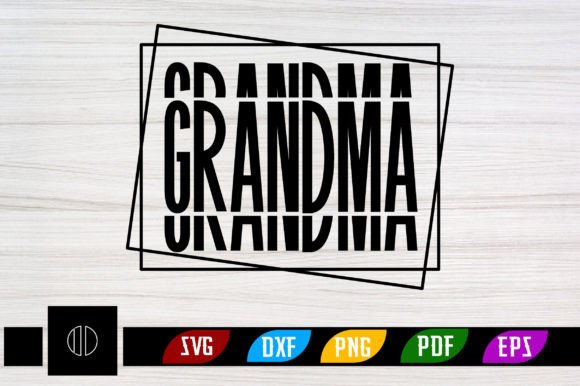
The Grandma Retro Svg Design immediately evokes a sense of cozy nostalgia. It taps into the popular vintage typography and illustration styles that have dominated craft business trends for the last few years. Visually, it feels grounded and approachable. There is no over-complication here; the design relies on strong silhouettes and clear negative space, which is a hallmark of good design assets for production work.
For an embroiderer, clarity is king. If a design has too many intricate details that blur together at small scales, it loses its impact. This design strikes a balance. It has enough character to stand out as a unique piece of art but remains simple enough to be executed cleanly by most home sewing machines or commercial setups. The mood is inviting, making it ideal for gifts that carry emotional weight, such as items for a grandmother’s birthday, Mother’s Day, or holiday gatherings.
Real-World Application: From Screen to Stitch
I wanted to see how this would perform in a tangible scenario. Imagine preparing a custom embroidered tote bag for a client who wants a gift for her mother. The Grandma Retro Svg Design fits naturally here. The retro vibe pairs beautifully with canvas or heavy cotton fabrics often used for totes. When digitized, the bold lines of the design would likely hold up well against the texture of the fabric, creating a professional-looking finished product.
However, versatility is key for any serious crafter. Could this work on a sweatshirt? Absolutely. A chest-sized placement of this design on a heather grey or navy sweatshirt creates a classic, boutique-style look. It works equally well as a pocket embroidery on an apron, adding a touch of personality to kitchen wear. For small shop product creators, the adaptability of this design means one asset can generate multiple revenue streams, from apparel to home decor like pillow covers.
Baby items are another strong contender. The soft, rounded nature of retro designs often translates well to nursery decor or baby blankets. However, caution is advised here. The design must be scaled appropriately to avoid overwhelming delicate fabrics. When used in baby embroidery, the focus should be on gentleness and simplicity, ensuring the design doesn’t become too visually loud for such a tender context.
Where to Exercise Caution
No design is perfect for every situation, and understanding the limitations of the Grandma Retro Svg Design is crucial for maintaining quality control. There are specific scenarios where this design might struggle:
- Small Hoop Sizes: If you attempt to digitize this design for a very small hoop (such as 4x4 inches), you may lose detail. Fine lines might merge, and text could become illegible. Always check the minimum recommended size before committing to production.
- Textured Fabrics: While the design holds up well on smooth canvases, highly textured fabrics like bouclé or thick chenille can obscure the stitch definition. In these cases, the design might look muddy rather than crisp.
- Stretchy Fabrics: Knits require careful stabilizer selection. Without proper support, the tension of the fill stitch or satin stitch can pucker the fabric, distorting the retro shape. This is particularly relevant for custom apparel like t-shirts or leggings.
- Dense Stitch Areas: If the digitization process results in overly dense stitching, the fabric may become stiff and uncomfortable. This is a common issue with large solid areas in vector designs. Reviewing the stitch density during the conversion phase is essential.
- Curved Surfaces: Applying this design to caps or hats requires precise hooping techniques. Flat designs do not always translate seamlessly to curved surfaces without distortion.
Technical Considerations for Embroidery Designers
Transitioning from an SVG/DXF to an embroidery format involves several critical steps. As a reviewer, I recommend the following workflow to ensure the best outcome:
- Test on Scrap Fabric: Never go straight to the final product. Run a test stitch-out on a scrap piece of the same material to check for puckering, thread breaks, or color mismatches.
- Check Thread Color Contrast: The retro theme often relies on specific color palettes. Ensure your chosen thread colors provide enough contrast against the background fabric. Low contrast can make the design disappear.
- Review Stitch Density: Adjust the stitch density based on the fabric type. Thicker fabrics may need denser stitching, while delicate materials require lighter touches.
- Inspect Small Details: Zoom in on the digitized version. Are there any tiny elements that might get lost or cause needle strikes? Simplify if necessary.
- Use Proper Stabilizer: The choice between tear-away, cut-away, and wash-away stabilizers depends entirely on the fabric and the design’s complexity. Using the wrong stabilizer is a common cause of failure.
- Black and White Mockups: Convert the design to black and white to evaluate its silhouette. If the design lacks impact without color, it may rely too heavily on shading rather than form.
Impact on Brand and Customer Trust
In the world of Etsy sellers and creative entrepreneurs, presentation is everything. A high-quality embroidered patch or a cleanly stitched tote bag design signals professionalism. When customers receive a product where the Grandma Retro Svg Design is executed flawlessly, it builds trust. They perceive the brand as attentive to detail and committed to quality.
Conversely, a poorly executed design can lead to returns and negative reviews. By taking the time to properly digitize and test this asset, you protect your reputation. The nostalgic appeal of the design also enhances giftability. People buy these items not just for utility, but for the emotion they evoke. A well-made item reinforces that emotional connection, leading to higher customer satisfaction and repeat business.
Final Verdict
The Grandma Retro Svg Design is a versatile and emotionally resonant asset that offers significant potential for commercial embroidery projects. Its clean lines and nostalgic charm make it suitable for a wide range of applications, from personalized gifts to small business merchandise. However, success depends on proper digitization and execution. By paying attention to stitch density, fabric choice, and stabilizer use, designers can transform this vector graphic into a stunning embroidery project that stands out in a crowded marketplace.
For those looking to expand their graphics offerings in the Crafts category, this design is a valuable addition. Just remember to verify all technical specifications and licensing terms before selling finished items or digital products. With careful preparation, the Grandma Retro Svg Design can help you create meaningful, high-quality products that resonate with your audience.