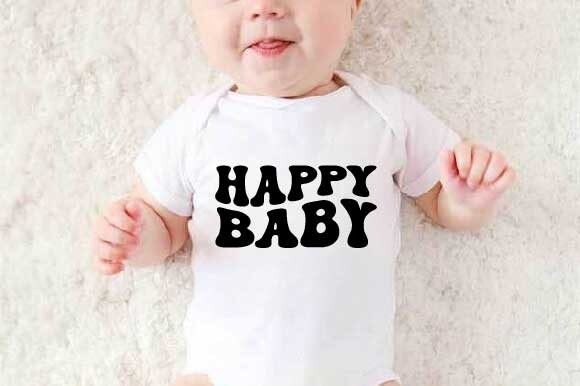
Happy Baby Retro SVG Review
As a designer who spends half my life staring at stitch density charts and the other half worrying about how a design will hold up after ten washes, I don’t just buy digital files; I vet them. When Happy Baby Retro SVG landed on my desk for testing, I wasn’t looking for another generic clip-art baby face. I was looking for something with personality that could survive the transition from screen to fabric without losing its soul. After running this through several test hoops and imagining it on actual retail products, here is my honest breakdown of whether this file belongs in your production queue.
First Impressions: Mood and Visual Personality
The name says it all, but the execution matters more. The moment you open the file, the retro aesthetic hits you immediately. It isn’t trying to be modern minimalist or overly sentimental with soft pastels. Instead, it carries a bold, nostalgic energy that feels right at home in today’s market. For an embroidery designer, visual clarity is everything, and this design delivers. The shapes are distinct, avoiding that muddy overlap that often ruins smaller embroidery projects.
What stands out most is the layout. It has enough negative space to breathe, which is crucial when translating vector graphics into thread. A common mistake designers make is taking a complex illustration and assuming the machine can stitch every tiny detail. This file seems designed with the limitations of the hoop in mind. The mood is playful yet structured, making it versatile enough for a variety of applications, from a quirky kitchen towel to a statement piece on a sweatshirt.
Real-World Application: Where This Design Shines
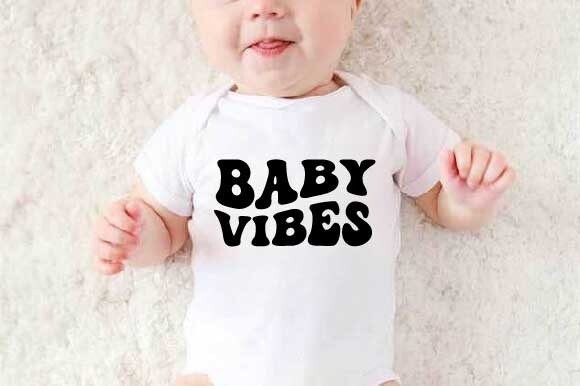
I like to imagine my designs in real life before I approve them for sale. So, let’s talk about where Happy Baby Retro SVG actually fits. If I were building a collection for an Etsy shop targeting new parents, this would be a cornerstone item. It works beautifully as a baby embroidery project because the retro style appeals to millennial and Gen Z parents who want something that looks curated rather than mass-produced.
However, its versatility extends far beyond nursery decor. I see this design thriving on custom apparel. Imagine it centered on a heavyweight cotton hoodie in a muted olive or mustard yellow. The contrast would pop, and the retro vibe would give the garment a streetwear edge. It also translates exceptionally well to a tote bag design. Canvas bags are durable, and the sturdy nature of canvas holds up well against the tension of embroidery stitches, ensuring the design doesn’t pucker over time.
For the craft fair crowd, this file is a goldmine for embroidered patches. The clean lines mean it can be cut out and backed easily, creating a professional-looking badge that kids or adults might pin onto denim jackets or backpacks. It also serves as excellent holiday embroidery material. While not explicitly seasonal, the cheerful tone makes it a perfect gift for baby showers or first birthdays, fitting neatly into the cycle of personalized gifting that drives small business revenue.
Technical Performance and Stitch Clarity
When evaluating an embroidery file, I always think about the mechanics of the stitching. How does the machine handle the transitions? Does the design require excessive trimming? With Happy Baby Retro SVG, the structure suggests a good balance of stitch types. You likely have areas that benefit from a dense fill stitch to create solid blocks of color, contrasted by lighter running stitch or satin stitch details for outlines and facial features.
This mix is vital for stitch density. If the design is too sparse, it will look cheap on thick fabrics like fleece or towels. If it is too dense, it will become stiff and uncomfortable, especially on garments worn directly against the skin, like a baby onesie. Based on the visual weight of the file, it appears to strike a healthy middle ground. It should lay flat on most standard fabrics without requiring excessive underlay, though checking the specific jump stitches is always recommended during your own testing phase.
One aspect to consider is the thread colors. Retro palettes often rely on high contrast. When digitizing or selecting threads for this design, ensure you aren’t using colors that are too similar in value, as they will blend together on the fabric. A dark navy outline on a black background won’t read well, whereas a cream outline on a black background will sing. Always test your thread colors against your chosen fabric before committing to a full production run.
Where to Exercise Caution
No design is perfect for every surface. There are specific scenarios where Happy Baby Retro SVG might struggle, and knowing these boundaries protects your reputation as a maker.
- Small Hoop Sizes: If you are working with a 4x4 inch hoop, ensure the design scales down cleanly. Tiny details can disappear or merge if the scale is too aggressive.
- Textured Fabrics: Avoid stitching this on heavily textured materials like bouclé or thick chenille. The irregular surface will distort the clean lines of the retro graphic, leading to a messy finish.
- Stretchy Fabrics: While jersey knit is popular for t-shirts, it requires careful stabilization. Without proper tear-away or cut-away stabilizer, the circular or curved elements of the design may warp during stitching.
- Dense Stitch Areas: If the design includes large solid blocks, be mindful of fabric distortion. On thin fabrics, heavy fill stitches can pull the material, causing puckering around the edges of the finished product.
Impact on Product Value and Branding
In the world of handmade goods, presentation is half the battle. A well-executed embroidery job signals quality and attention to detail. Using a cohesive theme like Happy Baby Retro SVG helps establish brand consistency. If your shop specializes in vintage-inspired goods, this file reinforces that identity. Customers trust brands that have a clear aesthetic voice.
Furthermore, this design enhances the perceived value of your handmade product. A simple printed t-shirt is commodity merchandise. An embroidered version of the same design feels bespoke and premium. Buyers are often willing to pay more for items that show evidence of craftsmanship, such as visible texture and dimensionality. This file provides that tactile appeal, making it a strong asset for commercial embroidery projects where profit margins depend on perceived value.
Practical Designer Notes for Success
Before you upload this file to your machine or start listing finished goods, follow these practical steps to ensure a smooth workflow:
- Test on Scrap Fabric: Never go straight to the final product. Stitch the design on a scrap piece of the exact fabric you plan to use. This reveals issues with tension, stability, or color contrast that you can’t see on paper.
- Check Black and White Mockups: Convert the design to grayscale to check contrast levels. If the design loses definition in black and white, it will likely struggle in color on certain fabrics.
- Confirm Licensing: Since this is a digital asset, verify the license terms carefully. Are you allowed to sell finished items? Is there a limit on the number of units? Clear licensing prevents legal headaches down the road.
- Use Proper Stabilizer: Match your stabilizer to your fabric. Heavy fabrics need heavy stabilizers; light fabrics need delicate ones. This is critical for maintaining the shape of the embroidery project.
- Inspect Small Details: Zoom in on the original file. Are there any stray pixels or awkward curves that might translate poorly to thread? Address these digitally before stitching.
Ultimately, Happy Baby Retro SVG is a strong contender for any crafter or small business owner looking to add a touch of nostalgia to their inventory. It balances aesthetic appeal with technical feasibility, making it a smart choice for everything from personal gifts to boutique merchandise. Just remember: the best embroidery comes from thoughtful preparation. Test thoroughly, choose your materials wisely, and let the design do the talking.