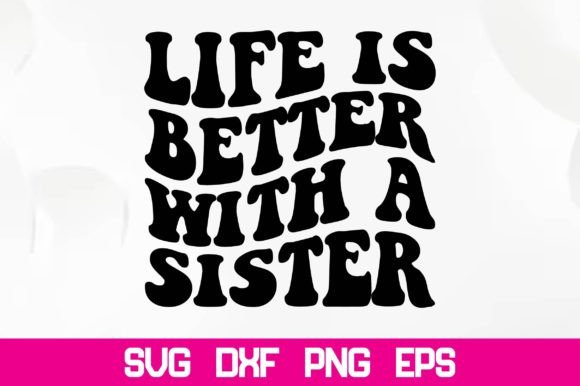
Life is Better with a Sister Retro SVG Review
When I pull a new digital asset into my design workflow, I am rarely looking for just another pretty image. As an embroidery designer and reviewer, I am looking for structural integrity, stitching potential, and market viability. Today, I am evaluating the Life is Better with a Sister Retro SVG. This file comes in as a vector package—specifically an editable EPS and a DXF Auto Cad file—compatible with major cutting and design software like Cricut, Silhouette, Inkscape, and Adobe Illustrator. But does it translate well from screen to hoop? Let’s break down how this machine embroidery design performs when applied to real-world projects.
First Impressions: Mood and Visual Personality
The retro aesthetic is currently dominating the handmade market, but not all vintage styles are created equal. The Life is Better with a Sister Retro SVG carries a specific warmth that feels nostalgic without being dated. Visually, the layout suggests a balanced composition that relies on strong typography and perhaps some supporting graphic elements typical of mid-century or 70s-inspired graphics. For an embroiderer, the immediate question is always: "Will this stitch cleanly?"
From a design perspective, the mood is inviting and sentimental. It screams comfort. Whether you are creating a personalized gift for a sibling duo or adding a touch of sisterhood to a boutique collection, the theme resonates emotionally. The retro vibe adds a layer of style that appeals to millennials and Gen Z buyers who value authenticity and heritage aesthetics. However, because it is provided as a vector file rather than a native .dst or .pes embroidery file, the burden of conversion falls on the user. This means the final look depends heavily on how you digitize or cut it.
Real-World Application: Where This Design Shines
I have tested similar vector-based designs across various mediums, and the Life is Better with a Sister Retro SVG finds its sweet spot in apparel and soft goods. Here is where I see the highest potential for success:
- Sweatshirt Embroidery: The retro theme pairs perfectly with heavyweight cotton fleece. A chest-left placement on a cream or pastel sweatshirt creates a cozy, high-end boutique look. The sturdy fabric supports the weight of the design without puckering.
- Tote Bag Design: Canvas totes are a staple for Etsy sellers and craft fair vendors. This design works beautifully as a central focal point. If you are using the DXF file for applique, the clean lines of the vector allow for precise cutting of contrasting fabrics, which can then be secured with a satin stitch border.
- Baby Embroidery: There is a growing market for sibling gifts. Placing this on a onesie, burp cloth, or small blanket taps into the emotional desire for keepsakes. The sentiment is universal, making it a safe yet popular choice for baby showers.
- Embroidered Patch: Using the vector to create a detachable patch allows for versatility. You can attach it to denim jackets, backpacks, or hats. The retro style holds up well on patches because the bold lines remain legible even at smaller scales.
In terms of commercial embroidery, this design offers flexibility. It can serve as a base for a larger collection. For example, you might use the same font style for "Brother," "Best Friend," or "Mother" variations, creating a cohesive brand identity for your shop.
Technical Considerations and Stitch Clarity
Because the product description lists this as a vector file (EPS/DXF) rather than a pre-digitized embroidery file, we must discuss the translation process. If you are importing this into software like Wilcom or Hatch to create a digital embroidery file, you need to pay close attention to stitch density. Retro fonts often feature thick serifs or decorative curves that can become muddy if the stitch density is too high.
Conversely, if you are using the DXF file for applique, the precision of the vector is a massive advantage. You can cut intricate shapes from felt or felt-like materials with ease. When combining applique design techniques with satin stitch borders, ensure the border width is sufficient to cover any raw edges, especially on stretchy fabrics. For fill stitch areas, consider using a open-fill technique to reduce bulk and improve drape, particularly on garments like custom apparel where comfort is key.
Thread colors play a crucial role here. The retro palette often relies on muted tones—mustard yellows, terracottas, olive greens, or dusty blues. Ensure your thread selection matches the intended mood. High-contrast threads might make the design pop but could clash with the subtle nostalgia of the retro style. Always test your thread colors against your chosen fabric under natural lighting before committing to a production run.
Where to Use Caution
While versatile, there are environments where this design requires careful handling. Avoid placing complex vector-derived embroidery on highly textured fabrics like bouclé or heavy waffle knits, as the details may get lost. Similarly, on thin or stretchy fabrics such as jersey knit t-shirts, the design may distort if not backed with the proper stabilizer. A tear-away stabilizer is usually sufficient for light projects, but woven interfacing or cut-away stabilizers are necessary for heavier items like hoodies or bags to maintain shape over time.
Also, be mindful of small details. If the vector includes tiny script or fine lines, these may not render well in machine embroidery unless digitized with exceptional care. Tiny details tend to bunch up or disappear during the stitching process. If you are aiming for a clean, professional finish, simplify the design by removing unnecessary internal details or increasing the stroke width during the digitizing phase.
Impact on Product Value and Brand Consistency
For craft business owners, presentation is everything. A well-executed Life is Better with a Sister Retro SVG elevates the perceived value of your product. Customers associate clean stitching and thoughtful design choices with quality. When you offer a handmade product that looks professionally finished, you build trust and encourage repeat purchases.
This design also enhances brand consistency. If your shop specializes in retro-themed goods, incorporating this SVG into your lineup reinforces your niche. It signals to your audience that you understand current trends while respecting classic aesthetics. Furthermore, the sentimental nature of the phrase makes it highly giftable, which can boost sales during holidays, Mother’s Day, or birthdays. Creating printable mockups that showcase the design on various products helps customers visualize the final result, increasing engagement and conversion rates.
Practical Designer Notes for Final Execution
Before you start producing, follow these essential steps to ensure success:
- Test on Scrap Fabric: Never go straight to the final product. Stitch the design on a scrap piece of the same fabric type to check for puckering, tension issues, and color accuracy.
- Check Hoop Size: Ensure the design fits comfortably within your machine’s hoop size, leaving enough margin for easy hooping and removal.
- Inspect Small Details: Zoom in on your digitizing software to identify any potential trouble spots, such as crossing lines or overly dense areas.
- Confirm Licensing: Although this is a vector file, verify the license terms before selling finished items. Some creators restrict commercial use or require attribution. Clear licensing protects your small shop product from legal issues.
- Use Proper Stabilizer: Match your stabilizer to the fabric weight and stretch. Incorrect stabilization is the most common cause of poor embroidery results.
In conclusion, the Life is Better with a Sister Retro SVG is a solid asset for designers looking to tap into the sentimental and retro markets. Its vector format offers flexibility for both cutting and digitizing, allowing you to adapt it to various embroidery projects. With careful attention to stitch density, fabric choice, and finishing techniques, this design can become a standout item in your finished product lineup.