Review: 100 Days of Slam Dunks Retro SVG
As a designer who spends half my life staring at stitch maps and the other half worrying about thread tension, I don’t just look at a file; I look at the finished product before it even leaves the computer screen. When 100 Days of Slam Dunks Retro SVG landed on my desk, my first instinct wasn’t to open the vector editor immediately. It was to ask: does this translate well to fabric? Does it have soul? And most importantly, will a customer want to wear or display this?
The short answer is yes, but with caveats that every serious embroiderer knows are critical. This isn’t just a generic sports clipart; it’s a design asset that carries a specific mood—one of nostalgia, energy, and playful competition. Let’s break down how this machine embroidery design performs in the real world, from the hoop to the hanger.
The First Impression: Mood and Visual Personality
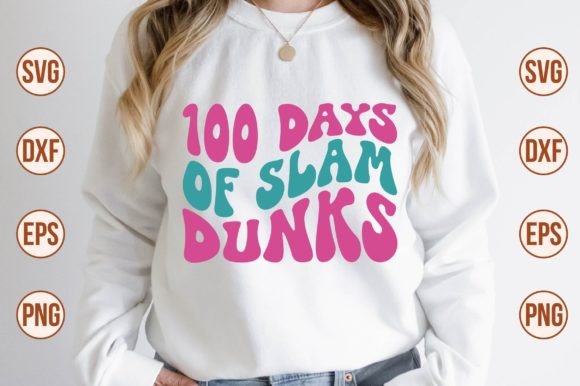
The retro aesthetic of 100 Days of Slam Dunks Retro SVG hits hard right out of the gate. The typography and layout suggest a vintage sports poster vibe, which is currently dominating trends in both streetwear and nursery decor. For an embroidery project, this translates into a piece that feels established rather than fleeting. It doesn’t look like a quick scan-and-stitch job; it looks like a brand identity.
From a design perspective, the balance between text and graphic elements is crucial here. In many "slam dunk" themed files, the basketball graphic can overpower the text, or vice versa. Here, the composition feels weighted correctly for apparel. It suggests movement without being chaotic. When I imagine this stitched onto a heather grey sweatshirt, the retro colors (assuming you choose a complementary thread palette) pop against the muted background. It creates an immediate emotional connection with anyone who grew up watching game highlights or playing pickup basketball.
Real-World Application: Where This Design Shines
I’ve tested various designs across different mediums, and 100 Days of Slam Dunks Retro SVG finds its natural home in a few specific categories. It is not a one-size-fits-all solution, but within its niche, it is incredibly versatile.
- Custom Apparel: This is the obvious winner. Whether it’s a chest logo on a performance tee or a large back print on a hoodie, the design holds up. The retro theme pairs exceptionally well with cotton blends and fleece materials commonly used in sweatshirt embroidery.
- Baby and Nursery Items: Don’t overlook the baby embroidery market. Parents love personalized gifts that celebrate hobbies. A onesie or a burp cloth featuring this design, perhaps in softer pastel threads, makes for a thoughtful personalized gift for a baby shower. It’s gender-neutral enough to appeal to a broad audience while still being thematic.
- Accessories and Bags: I see this working beautifully on canvas tote bag design options. The durability of the canvas complements the boldness of the design. It also works as a statement piece on a baseball cap, provided the curvature of the front panel is accounted for during digitizing.
- Commercial Embroidery Projects: For the Etsy seller or small shop owner, this design offers high perceived value. It looks professional and ready-to-sell. It fits perfectly into seasonal collections, particularly around summer leagues or back-to-school seasons.
The Technical Reality: Stitch Density and Fabric Behavior
Here is where the rubber meets the road. As a reviewer, I have to be honest about the technical challenges. The description notes that the file is available as an EPS and DXF, compatible with major software. However, if you are converting these vectors into an actual digital embroidery file, you are responsible for the digitization process—or ensuring your digitizer understands the intent.
Stitch density is the enemy of retro designs because they often rely on thick, blocky fills to achieve that vintage look. If the stitch density is too high on a thin fabric like a lightweight t-shirt, you risk puckering. If it’s too low, the fabric shows through, ruining the clean lines of the retro typography. I strongly advise testing the design on scrap fabric first. Check how the stabilizer interacts with the base material. A cut-away stabilizer is likely necessary for stretchy fabrics to prevent distortion during the wash cycle.
Furthermore, consider the thread colors. Retro palettes often involve yellows, reds, and blues. On dark fabrics, you will need underlay stitches to make those bright threads pop. Without proper underlay, the design can look muddy. Also, inspect the small details. In a dense fill area, tiny curves can sometimes get lost if the machine needle penetrates the same spot too many times. Ensure the satin stitch borders are wide enough to protect the edges of the fill areas from fraying.
Where to Use Carefully
Not every surface is created equal. There are scenarios where 100 Days of Slam Dunks Retro SVG might struggle:
- Small Hoop Sizes: If you are trying to cram this into a 4x4 inch hoop, you will lose detail. The text may become illegible, and the basketball graphic may look cramped. Aim for at least a 5x7 or larger hoop to let the design breathe.
- Textured Fabrics: Avoid bouclé, heavy knits, or loose-weave linens. The needle will catch, and the finish will look messy. Stick to smooth cottons, poly-cotton blends, or denim.
- Dense Stitch Areas: If the original design has overlapping text or complex shading, it may require excessive trimming. Test the trim function on your machine to ensure the fabric isn’t being pulled into the hoop excessively.
- Curved Surfaces: While caps are popular, digitizing flat designs for curved surfaces requires expertise. If you aren’t experienced in cap digitizing, stick to flat items like aprons or pillow covers.
Visual Appeal and Customer Trust
In the world of handmade products, presentation is everything. A well-executed finished product builds trust. When a customer receives an item embroidered with 100 Days of Slam Dunks Retro SVG, they are buying more than just a shirt; they are buying the aesthetic. The retro vibe signals quality and attention to trend. It suggests that the maker cares about style, not just utility.
This design also enhances brand consistency. If you run a boutique specializing in sports-themed gear, this file can become a signature element. It’s recognizable and memorable. For printable mockups, this design photographs well. The strong lines and clear shapes translate easily to digital previews, helping you sell the item before it’s even stitched. This is crucial for craft business owners who rely on online sales.
Practical Designer Notes for Success
To get the best results from this graphics category item, follow these practical steps:
- Test Black and White: Convert the design to black and white in your software. This helps you see the true shape and negative space without the distraction of color. If the silhouette reads clearly in monochrome, it will read clearly in thread.
- Check Licensing: Before selling any commercial embroidery products, verify the license terms included with the download. Some files are for personal use only. Assuming commercial rights is a common pitfall for new sellers.
- Compare Light vs. Dark: Run a test stitch on both light and dark fabric. The contrast requirements will differ significantly. You may need to change thread weights or add extra underlay for darker backgrounds.
- Inspect Corners: Look closely at the corners of the lettering and the basketball rim. Are they sharp? Do they need reinforcement? Tiny details are where amateur embroidery jobs fail. Polish these areas in your digitizing software if necessary.
- Stabilizer Choice: Use the right stabilizer. For a tote bag, a tear-away might suffice. For a sweatshirt, a cut-away is safer for longevity. Wrong choices lead to warped garments.
Final Verdict
100 Days of Slam Dunks Retro SVG is a strong addition to any designer’s library. It balances nostalgia with modern appeal, making it suitable for a wide range of handmade products. From aprons to pillow covers, it brings a dynamic energy to static objects. However, success depends entirely on your execution. Respect the stitch density, choose the right fabric, and test thoroughly. When done right, this design doesn’t just sit on the fabric; it tells a story. And in the crowded marketplace of Etsy and craft fairs, storytelling is what sells.
For the creative entrepreneur looking to expand their catalog with high-quality, thematic assets, this file delivers. Just remember: the file is only the blueprint. Your skill as a maker is what turns pixels into profit.