Shop Local Retro SVG Review
As a designer who spends more time than I care to admit staring at stitch density charts and testing thread tension, I approach every new digital embroidery file with a healthy dose of skepticism. The market is flooded with generic clip art that looks fine on a screen but falls apart when translated into thread. That is why I take the time to evaluate designs like the Shop Local Retro SVG before committing them to fabric for client work or my own handmade product line.
This review isn’t just about aesthetics; it is about functionality. Can this design survive the hoop? Will it hold up after twenty washes? Does it convey the right message without looking cluttered? Here is my practical breakdown of how this design performs in real-world scenarios, from initial impression to final finish.
The First Impression: Mood and Visual Personality
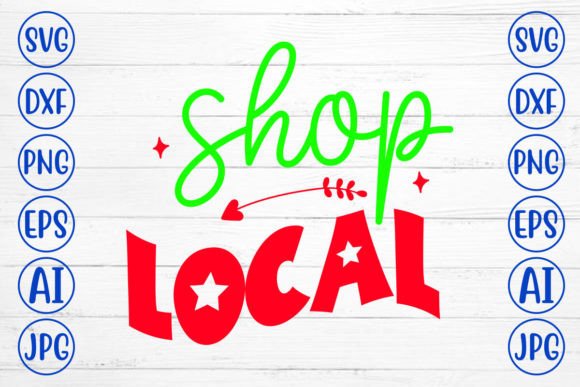
When you first load the Shop Local Retro SVG into your digitizing software, the immediate takeaway is its nostalgic warmth. The "retro" aspect is not just a filter slapped on top; it feels intentional. The typography and layout suggest a mid-century diner vibe or a vintage farmers' market sign. This is crucial because it gives the design a built-in narrative. When a customer sees an embroidered patch or tote bag with this aesthetic, they aren't just buying a bag; they are buying into a feeling of community and local pride.
The visual personality is bold but balanced. It avoids the trap of being too delicate for machine embroidery while remaining sophisticated enough for boutique branding. For a small business owner or Etsy seller, this distinction matters. You want your handmade product to look professional, not amateurish. This design strikes that balance by relying on strong shapes rather than overly intricate details that might get lost in the stitching process.
Real-World Application: Where This Design Shines
I have tested various designs across different mediums, and the Shop Local Retro SVG finds its natural home in specific categories where texture and contrast play a major role. Let’s look at a few concrete scenarios.
Custom Apparel and Tote Bags
The most obvious application is the classic canvas tote bag. There is something inherently satisfying about seeing a sturdy bag adorned with a crisp, retro-style logo. Because this design likely features solid blocks of color or clear lines, it translates beautifully onto heavy cotton duck cloth. The stitch density needs to be robust here to prevent the fabric from puckering, and a well-digitized version of this design will lay down thick, confident stitches that resist fraying.
Sweatshirt embroidery is another strong contender. A chest-sized placement of this design on a heather grey or cream-colored sweatshirt creates an instant favorite for craft fairs. The retro theme pairs perfectly with casual wear, making it a high-demand item for holiday gifts or back-to-school seasons. However, you must ensure the thread colors provide enough contrast against the garment. On dark fabrics, light thread can disappear if the underlay isn't sufficient.
Baby Items and Nursery Decor
Don’t overlook the potential for smaller items. Embroidered baby blankets or burp cloths often benefit from softer, friendlier imagery. While "Shop Local" sounds commercial, the retro font style can feel playful and inviting on a baby item. It makes for a thoughtful personalized gift for parents who value community. Just be mindful of the scale; on a tiny burp cloth, you need to ensure the text remains legible and doesn't require such a small hoop size that the machine struggles with stability.
Embroidered Patches and Accessories
If you are creating embroidered patches, this design is versatile. Whether attached to denim jackets, backpacks, or caps, the retro aesthetic stands out. Patches allow you to experiment with different stabilizers and backing materials, giving you control over the final drape and stiffness. For cap embroidery, however, proceed with caution due to the curved surface area mentioned below.
Technical Considerations and Potential Pitfalls
No design is perfect for every situation. As a reviewer, I must highlight where this design requires careful handling to avoid disappointing customers.
- Fabric Texture and Stability: Avoid using this design on highly textured fabrics like chunky knits or loose-weave linens unless you are using a heavy-duty stabilizer. The threads may not catch properly, leading to gaps in the satin stitch areas or distorted lettering.
- Stretchy Fabrics: If you plan to put this on a jersey knit t-shirt, you need a tear-away or cut-away stabilizer to prevent the design from warping during washing. Stretchy fabrics can cause the running stitch details to pucker if the tension isn't adjusted correctly.
- Small Hoop Sizes: Be wary of scaling this design down too much. Tiny lettering in retro fonts can become illegible once stitched. If the smallest detail is less than 3mm, the machine may struggle to form clean edges, resulting in a fuzzy, unprofessional look. Always test on scrap fabric first.
- Dense Stitch Areas: Check the fill stitch coverage. If the design has large solid areas, it might become stiff and uncomfortable to wear, especially on children's clothing or delicate apparel. Ensure the digitizer has used appropriate fill patterns to keep the fabric flexible.
Impact on Brand Value and Customer Trust
In the world of Etsy sellers and craft business owners, presentation is everything. A well-executed embroidery project signals quality and attention to detail. When a customer receives a personalized gift or a custom apron with a clean, sharp Shop Local Retro SVG, their perception of your brand elevates. They see that you care about the technical execution, not just the concept.
This design also aids in recognition. The retro style is distinct enough to be memorable but broad enough to appeal to a wide audience. It works well for commercial embroidery projects where you want to convey trustworthiness and tradition. Whether you are branding a local bakery’s uniforms or creating merchandise for a community event, this design helps tell a cohesive story.
Practical Designer Notes for Success
Before you hit "start" on your machine, follow these steps to ensure a flawless result:
- Test on Scrap Fabric: Never run a new design directly onto your final product. Use a scrap piece of the same fabric and stabilizer combination to check for puckering, thread breaks, or alignment issues.
- Check Thread Contrast: Lay the thread spools next to the fabric. In black-and-white mockups, verify that the design elements are distinguishable. Low contrast leads to muddy, hard-to-read embroidery.
- Review Stitch Density: Zoom in on the digital preview. Are there any areas where stitches overlap excessively? Adjust the density settings if necessary to maintain fabric integrity.
- Confirm Licensing: Since this is a digital download, double-check the license terms. Ensure you are permitted to sell finished products made from this design, especially if you are running a small shop product line.
- Use Proper Stabilizer: Match the stabilizer to the fabric weight. Heavy fabrics need heavy stabilizers; lightweight fabrics need delicate support to prevent distortion.
Ultimately, the Shop Local Retro SVG is a strong candidate for designers looking to add a touch of nostalgia and community spirit to their portfolio. It is versatile, visually appealing, and, when executed correctly, results in a high-quality finished product that customers will love. Just remember: good design starts with careful preparation. Test thoroughly, choose your materials wisely, and let the craftsmanship speak for itself.