Wild and Free Retro SVG Review
As a designer who spends more time staring at stitch patterns than sleeping, I have developed a certain skepticism when it comes to digital downloads. The market is flooded with graphics that look stunning on a screen but fall apart under the needle. That is why I take my time evaluating every new asset before incorporating it into my workflow for client projects or my own handmade product lines. Recently, I pulled the Wild and Free Retro SVG from the Crafts category into my design suite to see if it holds up in real-world embroidery applications. This review is not just about aesthetics; it is about functionality, stitch clarity, and whether this file can genuinely elevate a small business’s merchandise.
First Impressions: Mood and Visual Personality
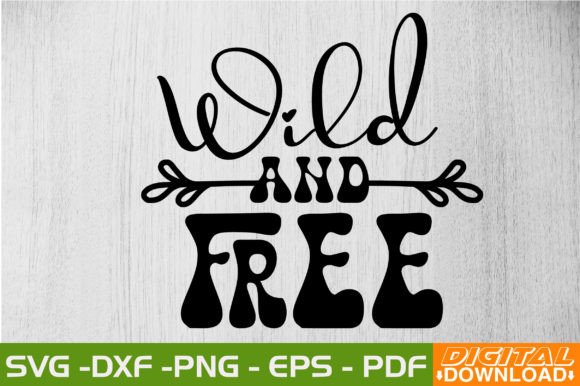
The moment you open the Wild and Free Retro SVG, the vibe is unmistakable. It taps into that nostalgic, carefree aesthetic that has been dominating the craft scene for years. The typography feels hand-drawn yet structured enough to be legible, which is a delicate balance in retro design. For an embroidery project, this visual personality translates well because it suggests movement and texture without requiring overly complex geometry.
What stands out immediately is the layout. In the world of digital embroidery files, spacing is everything. This design avoids the cluttered look that often plagues budget-friendly assets. The negative space is handled intelligently, allowing the eye to rest while still engaging the viewer. When I first laid out the vector layers, I could already imagine how this would translate to a finished product. It does not scream for attention; instead, it invites the wearer or user to appreciate the detail. This subtlety is crucial for creating high-end handmade products that feel curated rather than mass-produced.
Real-World Application: From Screen to Stitch
I decided to test the Wild and Free Retro SVG in a scenario that mirrors what many Etsy sellers and small shop owners face daily: creating a custom embroidered tote bag for a boutique client. Tote bags are a staple in the craft business, but they are also unforgiving. The canvas fabric can shift, and the design needs to withstand frequent washing.
Translating this machine embroidery design to fabric revealed some interesting dynamics. The retro theme pairs beautifully with natural fabrics like canvas, denim, and heavy cotton. I found that the design shines when used as a chest-level placement on a sweatshirt or a central focal point on a tote bag. The curves of the lettering mimic the flow of organic shapes, making it versatile for various apparel types, including custom apparel like hoodies and t-shirts.
For those looking to expand into nursery decor or baby items, this design offers a softer approach. While "wild" might suggest ruggedness, the retro font choice keeps it playful and gentle enough for baby embroidery. I envision this on a muslin blanket or a soft onesie, where the contrast between the bold letters and the delicate fabric creates a charming juxtaposition. It works equally well for holiday embroidery projects, serving as a unique gift tag or a decorative element on a kitchen towel.
Technical Considerations and Stitch Performance
No design is perfect, and honest evaluation requires looking at where a file might struggle. The Wild and Free Retro SVG relies heavily on clean lines and solid fills. In terms of stitch types, this likely utilizes a combination of satin stitch for outlines and fill stitch for the body of the letters. This is generally a safe bet for stability, but it demands careful attention to stitch density.
If you are planning to use this for commercial embroidery or selling finished goods, you must consider the fabric substrate. On stretchy knits, such as thin t-shirt materials, dense fill stitches can pucker the fabric if the stabilizer is not chosen correctly. I recommend using a cut-away stabilizer for any woven garment to prevent distortion over time. For non-woven items like embroidered patches or tote bag design elements on stiff canvas, a tear-away may suffice, but testing is always advised.
Another critical factor is thread color contrast. The retro aesthetic often calls for muted earth tones or vibrant pastels. However, low-contrast combinations (like light grey on white) can disappear in the stitching process. I advise running a black-and-white mockup of your thread choices before committing to a full run. This simple step ensures that the visual appeal remains intact regardless of the lighting conditions in your customer’s home.
Where to Exercise Caution
While this design is robust, there are specific scenarios where it should be used carefully. Avoid placing intricate details of this graphics file on highly textured fabrics, such as chunky knits or fleece, unless you are using a substantial backing. The needle penetration can become inconsistent, leading to skipped stitches. Additionally, be mindful of hoop size limitations. If you are attempting to embroider this on a curved surface like a cap, ensure the design is scaled appropriately to fit the front panel without distorting the lettering.
Small hoop sizes are another area of risk. If the original vector contains very fine details or tiny gaps between elements, downsizing these into a mini-hoop may cause the threads to merge, losing the definition that makes the design appealing. Always inspect the smallest details in your digitizing software before sending the file to the machine.
Impact on Brand and Customer Trust
Using a high-quality asset like the Wild and Free Retro SVG directly influences how customers perceive your brand. In the era of online shopping, buyers cannot touch the product before purchasing. They rely on printable mockups and photos to judge quality. A clean, well-executed embroidery job signals professionalism and attention to detail. Conversely, a poorly stitched design can erode customer trust instantly.
This design supports brand consistency because its style is timeless yet trendy. It fits seamlessly into a cohesive line of small shop products, whether you are selling personalized gifts, wedding favors, or boutique branding materials. The "Wild and Free" sentiment resonates with a demographic that values authenticity and individuality, making it an excellent choice for connecting with your target audience.
Practical Designer Notes for Success
Before you upload this file to your embroidery machine, follow these practical steps to ensure a flawless outcome:
- Test on Scrap Fabric: Never go straight to the final product. Use scraps of the same material to check for puckering, tension issues, and color accuracy.
- Check Thread Colors: Compare your physical thread spools against the digital preview. Lighting can deceive the eye.
- Review Stitch Density: Ensure the design is not too dense for the fabric weight. Adjustments in the digitizing software may be necessary for optimal results.
- Confirm Licensing: Since this is a digital download, verify the license terms if you plan to sell the finished items commercially. Some licenses restrict the number of units you can produce.
- Inspect Small Details: Zoom in on the vector layers to ensure no paths are overlapping or missing, which can cause errors during stitching.
In conclusion, the Wild and Free Retro SVG is a strong addition to any designer’s library. It balances aesthetic charm with technical feasibility, making it suitable for a wide range of applications from personalized gifts to apparel decoration. By paying attention to the nuances of fabric choice and stabilization, you can transform this simple graphic into a premium finished product that stands out in a crowded marketplace.